
Pianificazione Fiscale Internazionale
Trasferimento della residenza fiscale all'estero: requisiti, rischi e opportunità della relocation internazionale
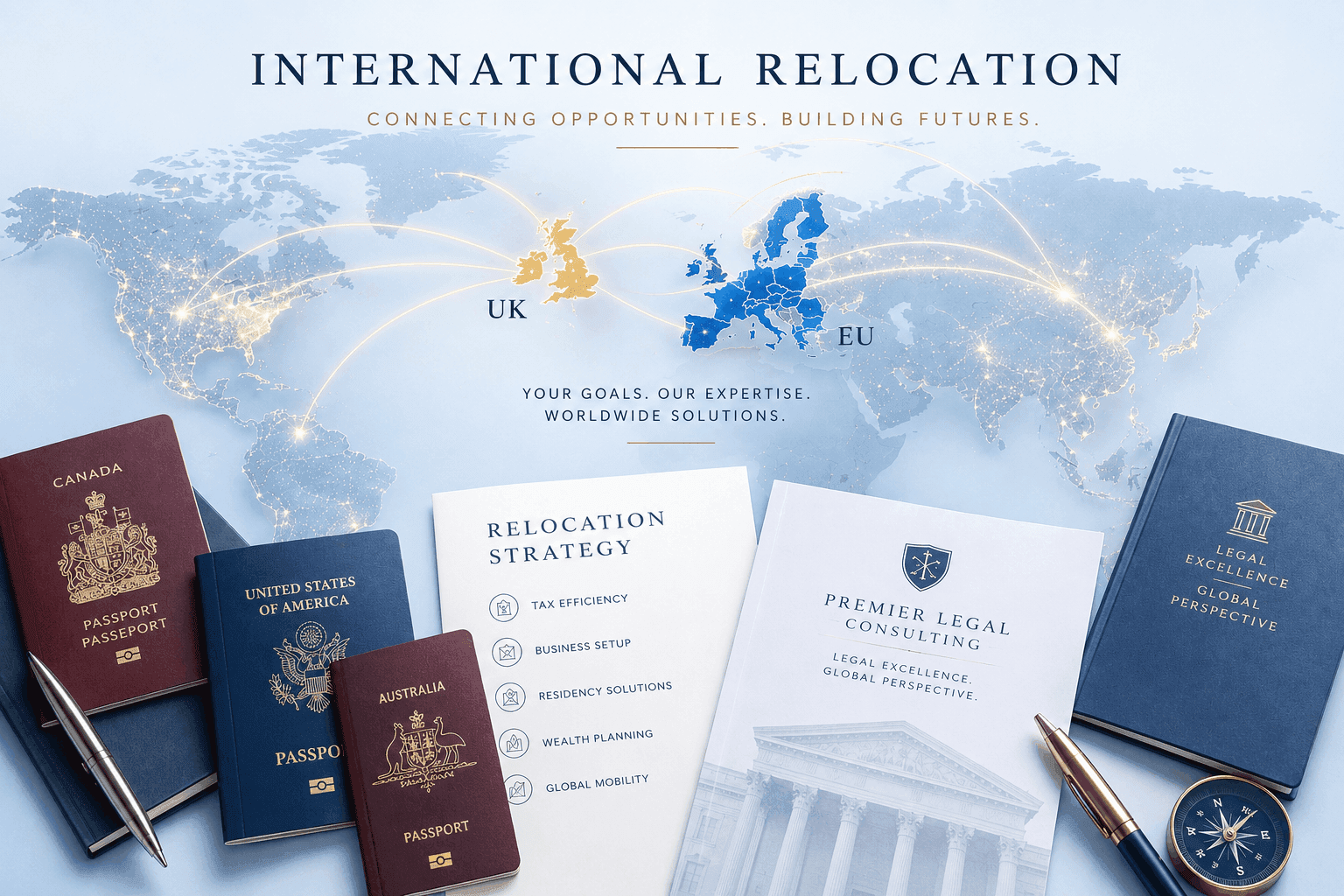
Trasferire la residenza fiscale all'estero può offrire importanti vantaggi in termini di pianificazione fiscale e patrimoniale, ma richiede una strategia strutturata e coerente. Le autorità fiscali valutano elementi sostanziali e non semplici formalità amministrative.
Negli ultimi anni il trasferimento della residenza fiscale all'estero è diventato uno dei temi più rilevanti nell'ambito della fiscalità internazionale. Pensionati, imprenditori, investitori e professionisti valutano sempre più spesso la possibilità di trasferire la propria residenza in giurisdizioni caratterizzate da una fiscalità competitiva, una migliore qualità della vita o una maggiore stabilità economica e normativa.
Tuttavia, la relocation internazionale non può essere ridotta ad una semplice procedura amministrativa. Uno degli errori più frequenti consiste nel credere che l'iscrizione presso un registro estero o la cancellazione dall'anagrafe italiana siano sufficienti a modificare automaticamente la propria posizione fiscale. In realtà, la normativa italiana e le convenzioni internazionali adottano un approccio sostanziale basato sulla concreta situazione personale ed economica del contribuente.
La determinazione della residenza fiscale è disciplinata dalla normativa nazionale, dalle convenzioni contro le doppie imposizioni basate sul Modello OCSE e dalle interpretazioni delle amministrazioni fiscali, tra cui l'Agenzia delle Entrate italiana e HMRC nel Regno Unito. Questi enti valutano una serie di elementi oggettivi per individuare il luogo in cui una persona mantiene il proprio centro di interessi vitali.
Quando una persona perde la residenza fiscale italiana?
Questa è probabilmente la domanda più frequente che viene posta durante una consulenza internazionale.
La risposta non dipende esclusivamente dal numero di giorni trascorsi all'estero ma da una valutazione complessiva che comprende:
- il luogo di dimora abituale;
- il centro degli interessi economici;
- la localizzazione degli investimenti;
- il luogo in cui viene svolta l'attività lavorativa o imprenditoriale;
- la presenza dei familiari;
- la disponibilità di immobili e patrimoni.
Le autorità fiscali tendono a valutare tutti questi fattori nel loro insieme, attribuendo particolare rilevanza alla sostanza rispetto alla forma.
Il rischio della doppia residenza fiscale
Uno degli aspetti più delicati di una relocation internazionale riguarda il rischio di doppia residenza fiscale.
Questo fenomeno si verifica quando due Stati ritengono contemporaneamente che il contribuente sia residente nel proprio territorio. In tali circostanze intervengono le convenzioni internazionali contro la doppia imposizione che prevedono specifiche regole di collegamento per individuare una sola residenza fiscale prevalente.
La corretta applicazione di queste regole richiede un'analisi approfondita della situazione familiare, patrimoniale e professionale del contribuente.
Pianificazione fiscale internazionale e relocation
Una relocation efficace non dovrebbe mai essere motivata esclusivamente da ragioni fiscali. La pianificazione deve considerare un insieme di fattori che comprendono:
- fiscalità personale;
- trattamento delle pensioni;
- investimenti finanziari;
- partecipazioni societarie;
- successione e protezione patrimoniale;
- obblighi dichiarativi internazionali.
La vera domanda non è "dove pago meno tasse?", ma "dove posso dimostrare in modo credibile, documentato e sostenibile la mia effettiva residenza fiscale?".
Perché la sostanza è diventata fondamentale
Negli ultimi anni lo scambio automatico di informazioni tra Stati e l'introduzione di standard internazionali sempre più rigorosi hanno reso molto più difficile sostenere posizioni fiscali prive di reale sostanza.
Oggi le amministrazioni fiscali attribuiscono crescente importanza alla coerenza tra:
- residenza dichiarata;
- luogo di gestione degli investimenti;
- attività economiche;
- utilizzo dei conti bancari;
- interessi familiari e personali.
Una relocation ben pianificata deve quindi essere supportata da elementi concreti e documentabili.
Conclusioni
Il trasferimento della residenza fiscale all'estero può rappresentare un'importante opportunità di pianificazione fiscale e patrimoniale. Tuttavia, affinché i benefici siano realmente sostenibili nel lungo periodo, è necessario costruire una posizione fiscale coerente, trasparente e supportata da adeguata documentazione.
In un contesto internazionale caratterizzato da controlli sempre più sofisticati, la sostanza economica e personale rimane il principale elemento di tutela per il contribuente.